XERF · 5 min read
“Ozempic face” and loose skin after weight loss: what’s happening, and what helps
Weight-loss medications are changing lives, and sometimes faces. Here is what the research says, and how to keep your skin up with your new health.

Weight-loss medications like Ozempic, Wegovy and Mounjaro (the GLP-1 family) are changing lives. Many of Virginie’s clients feel healthier than they have in years, and then catch their reflection and wonder why their face looks older, or why the skin on their stomach hasn’t followed the scale.
What “Ozempic face” is
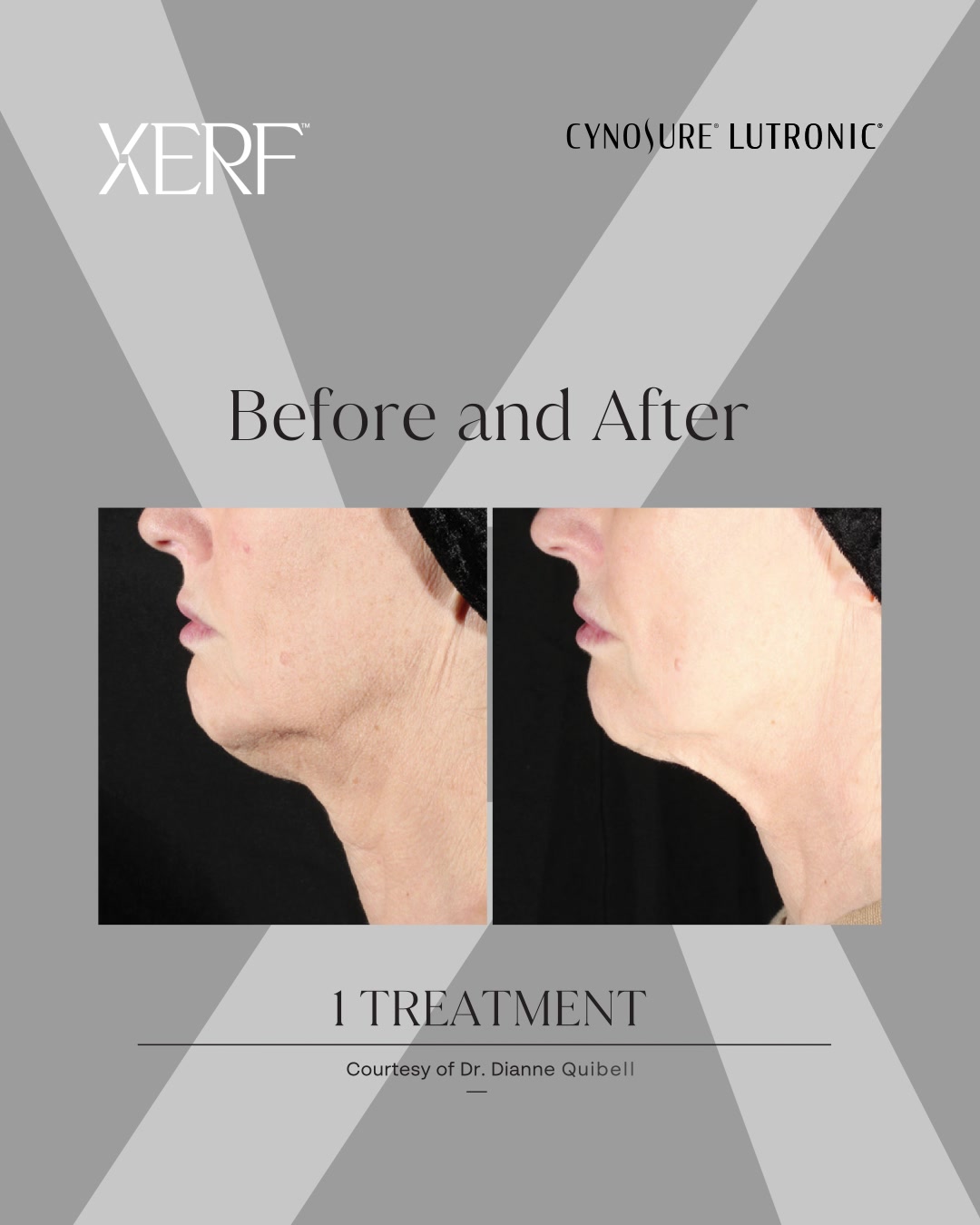
It isn’t a medical diagnosis, but doctors recognise the look: a hollowed face with sunken features, deeper wrinkles and skin that sags. It shows most in the cheeks, the temples, around the eyes, and along the jaw and neck, and it can make someone look older than they are.
Is it the medication?
Mostly, it’s how much and how fast the weight comes off. Dermatologists point out that the same changes appear after any large, rapid weight loss, including bariatric surgery. The fat under your skin is part of what holds your face up. When it shrinks quickly, skin that has less collagen and elastin can’t shrink back as fast.
Researchers are also studying whether rapid weight loss affects collagen and elasticity in the skin itself. That research is still early, but it matches what clinicians see: skin that looks thinner and less springy.
- Losing weight quickly
- Being older, or having carried extra weight for many years
- Not eating enough protein, or not drinking enough water
- Years of sun exposure
Those are the factors a 2026 review of GLP-1 and skin quality links with more volume loss and laxity.
The body too
The same thing happens on the body. Skin on the stomach, upper arms, inner thighs and knees has often stretched for years, and doesn’t always snap back once the fat is gone.
What helps
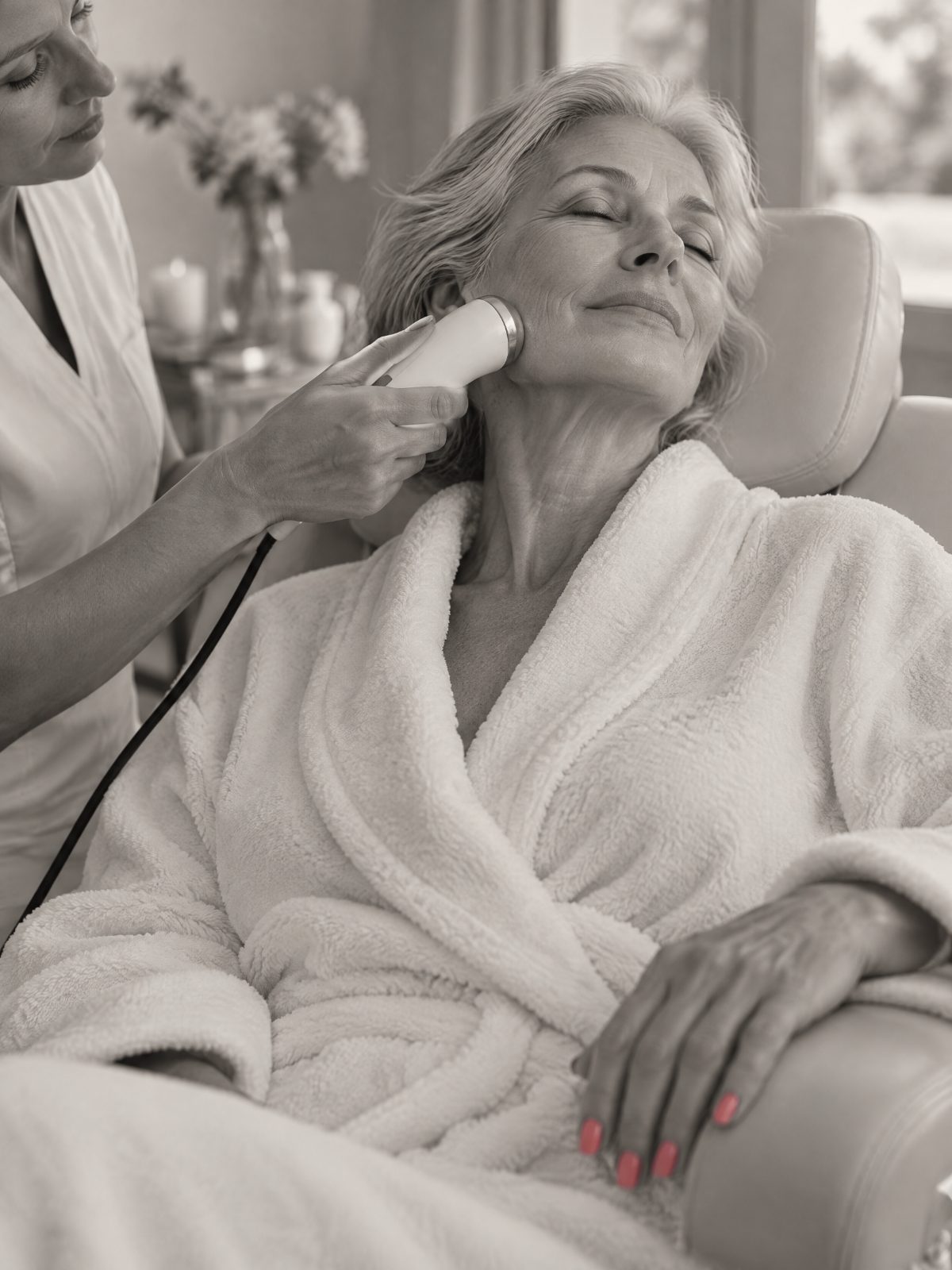
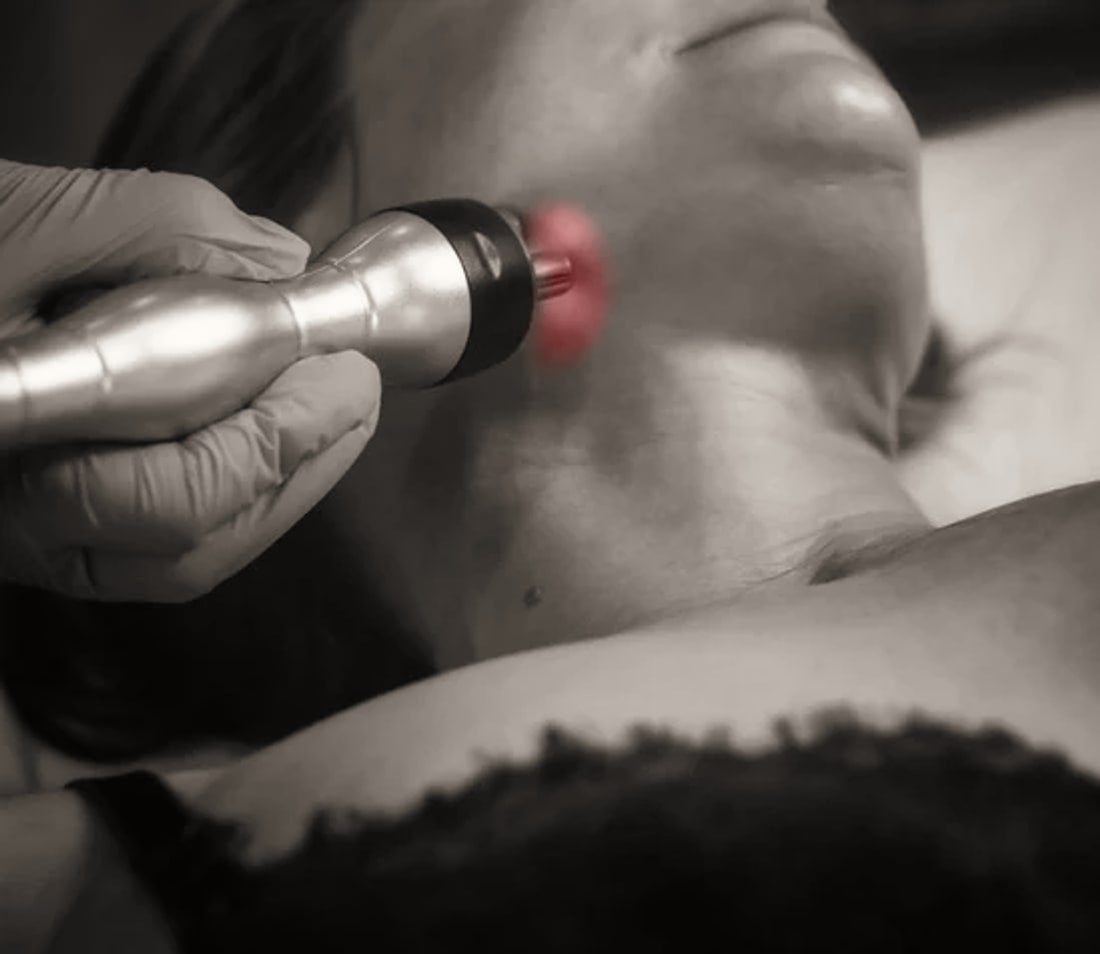
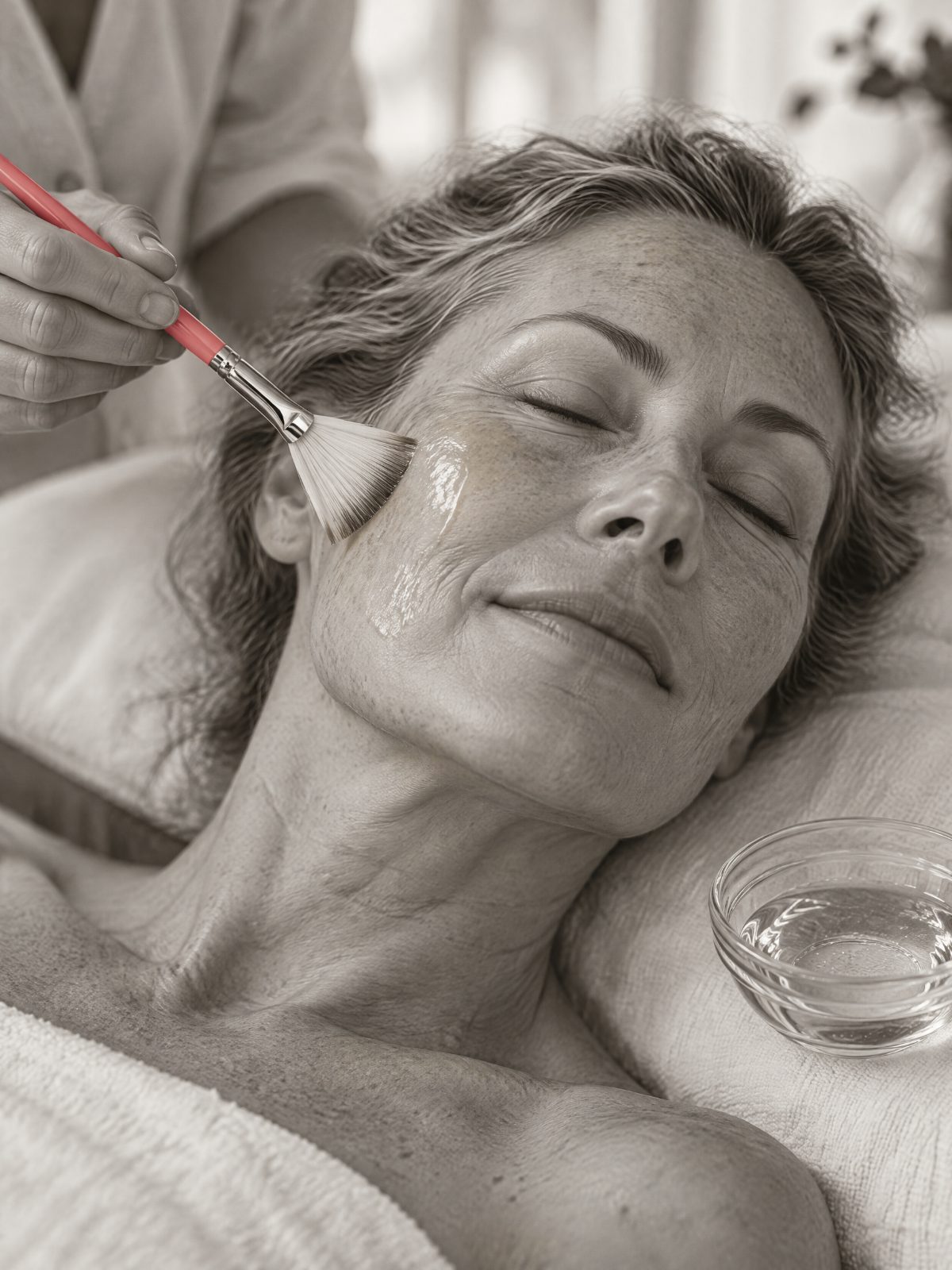
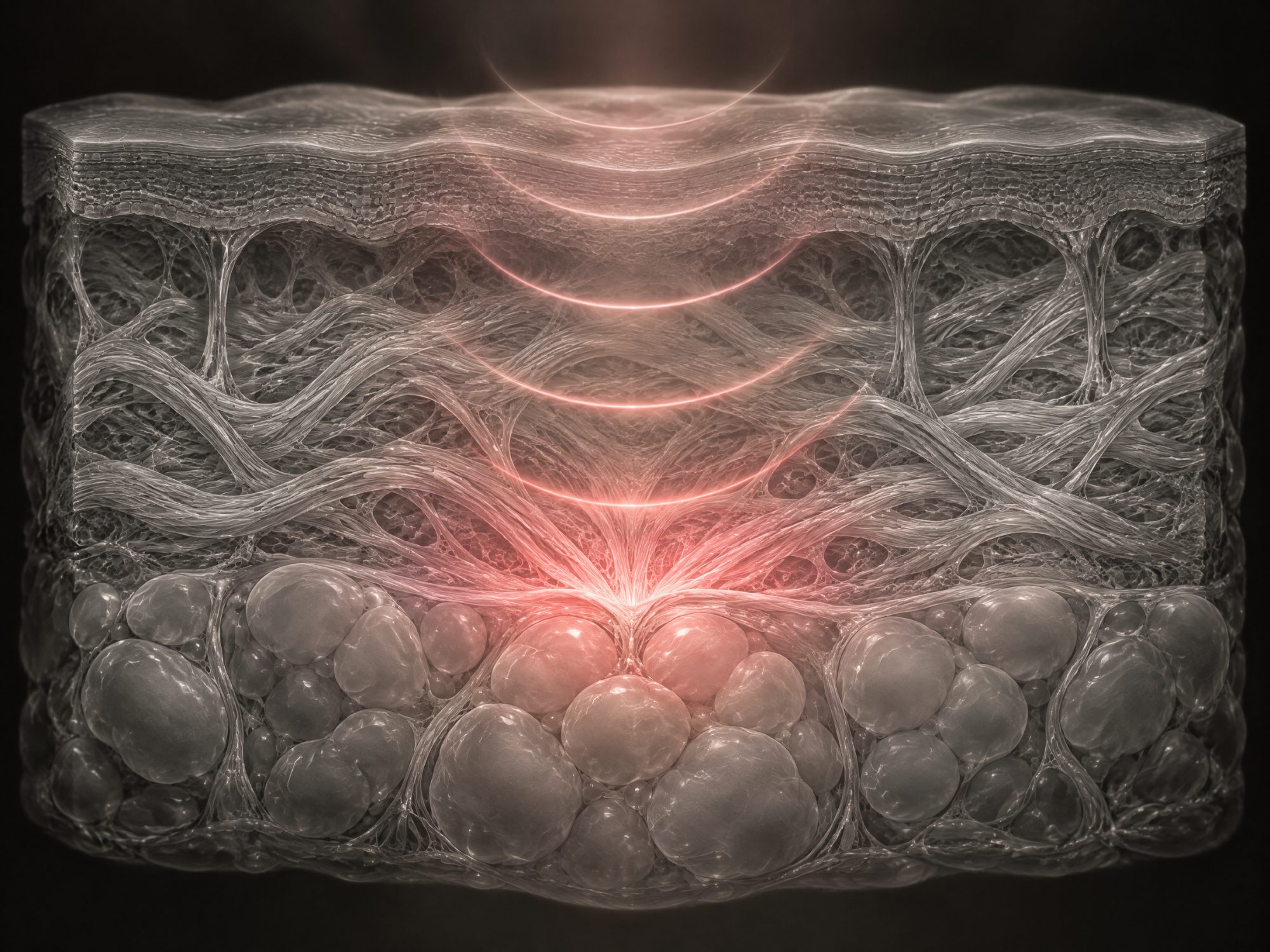
- Tightening loose skin. Radiofrequency like XERF warms the deeper layers of the skin. Collagen contracts right away, and the skin then builds new collagen over the following months. Early research on radiofrequency after GLP-1 weight loss is encouraging: in a small 2025 study, using a needle-based radiofrequency, 17 of 24 patients rated their result 8 out of 10 or better a year later.
- A gentler option, and maintenance. RF Firming firms the upper layers of the skin over a series, and keeps results going.
- The body. XERF Body tightens loose skin on the stomach, arms, thighs and knees.
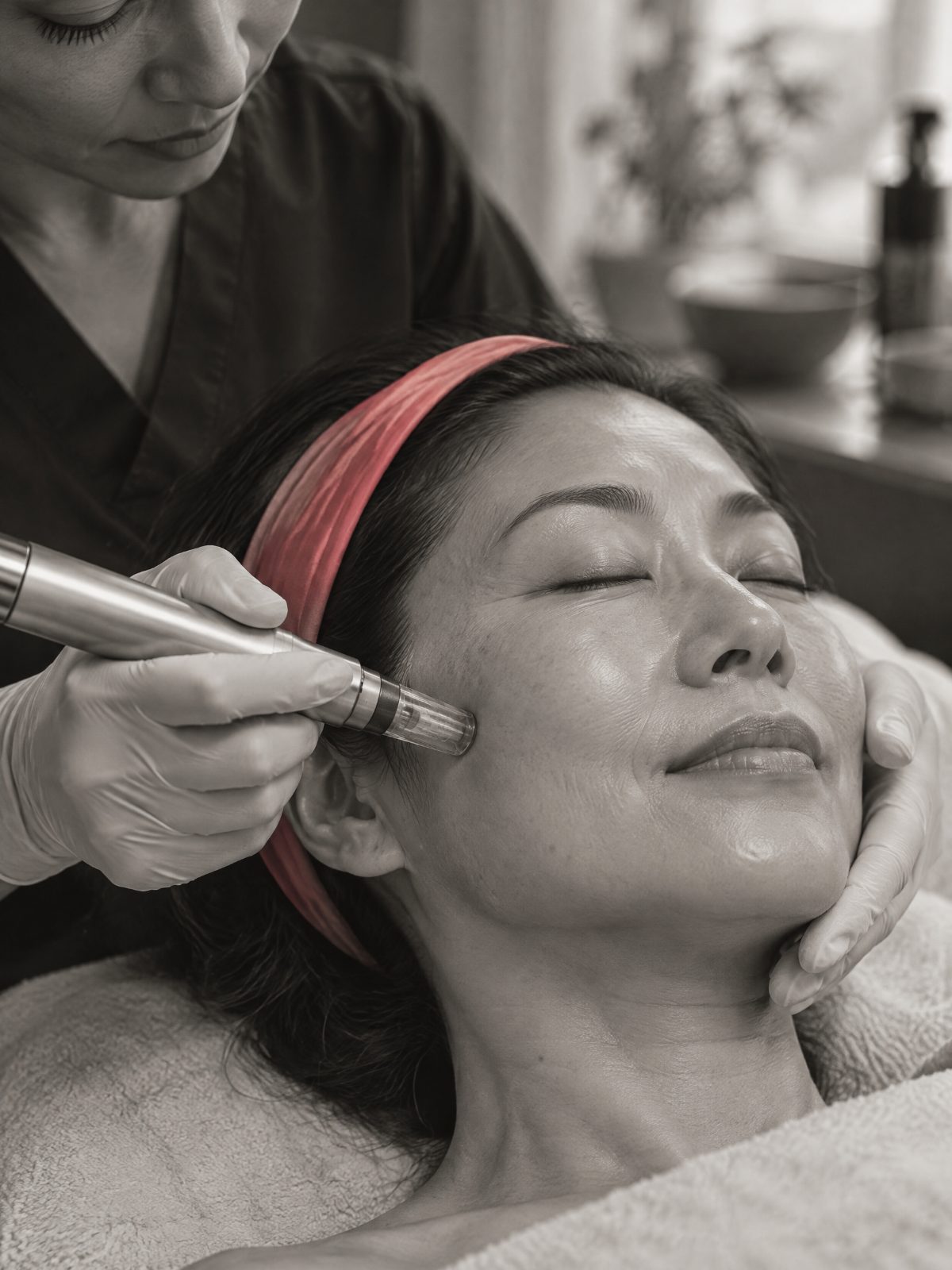
- Skin quality. Microneedling, a retinol and daily sunscreen help thinning skin rebuild and protect itself.
- Lost volume. Tightening firms the skin, but it doesn’t replace lost fat. If your cheeks or temples need volume, that’s a job for fillers or collagen-stimulating injections from a physician or nurse injector, and Virginie will tell you honestly.
Your new health deserves skin that keeps up.
When to start
Skin tightening works best once your weight has been fairly stable for a few months, so the result isn’t chasing a moving target. You don’t have to wait to protect your skin, though: protein, water, strength training, sunscreen and a good routine help along the way, and Virginie can plan your treatments around your journey.
Is it right for you?
Mild to moderate looseness on the face, neck or body is where non-surgical tightening shines. Very loose, hanging skin after a large weight loss may still need a surgeon, and Virginie will tell you so. Tell her about your medication at your complimentary consultation, and you’ll leave with an honest plan.